Inspiration
Whether you’re drawn to contemporary simplicity, luxury finishes, or expressive visual branding, this collection is designed to spark ideas and help you envision what’s possible. Let these transformations inspire your next project — and discover how thoughtful design, premium materials, and expert craftsmanship can redefine any environment.
-
January is the perfect opportunity for change in all aspects of your life, so why not extend this to creating a kitchen which gives you that sense of warmth and cosiness without the price tag.
Think dark reds to give you that bold, luxurious feel.
Atmospheric blues for sophistication and calm.
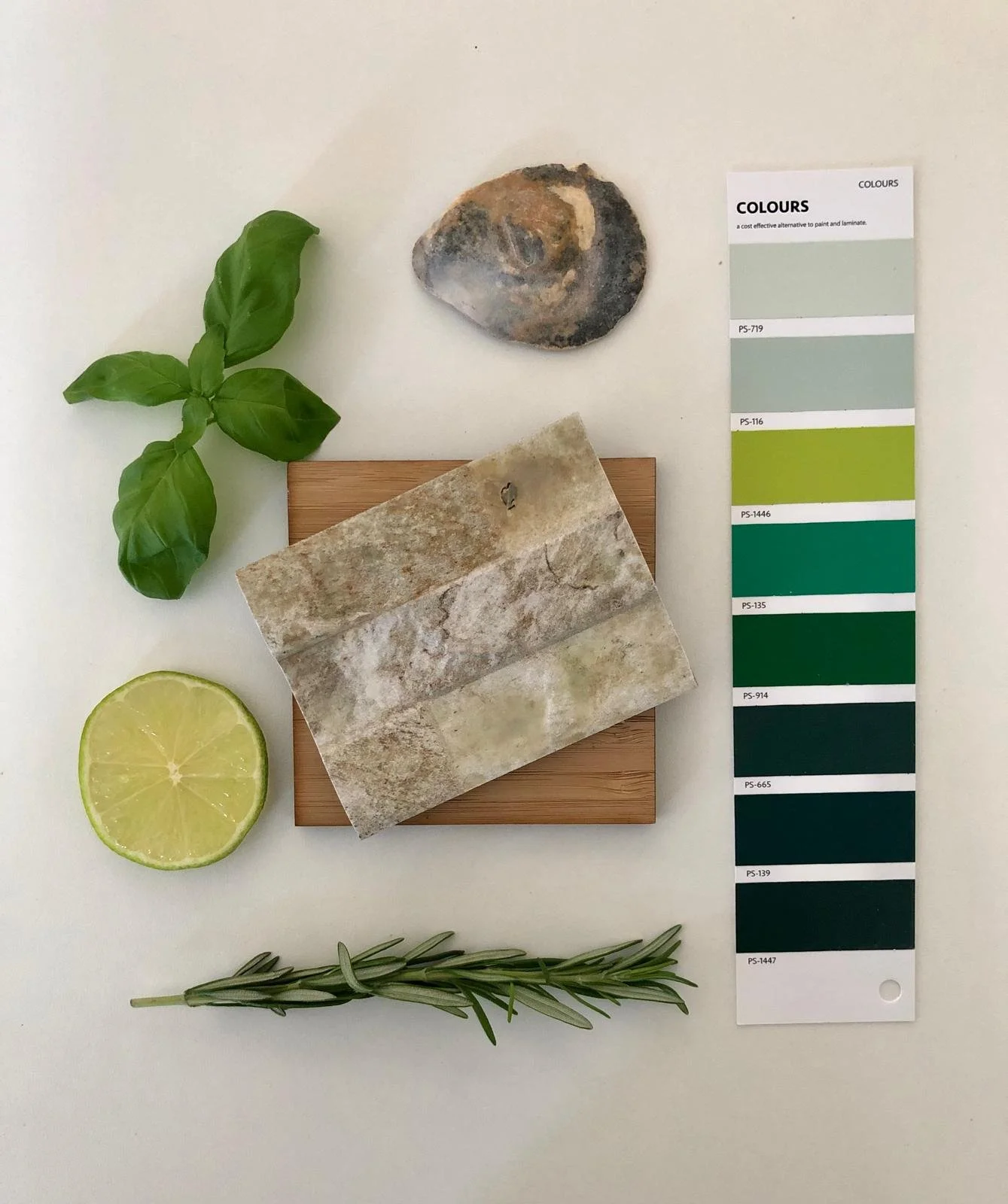
Herbal greens that pair beautifully with stones and woods.
Earthy browns and warm neutrals to give you a sense of depth and comfort.
With a world of so much choice, it can feel overwhelming to even know where to begin. At Surface Styl, we can help guide you through colour choices and every aspect of your design renovation to kickstart your 2026 project.
-
Repurposing is one of the most powerful and underrated sustainability choices. Instead of breaking materials down (like recycling) or sending them to landfill, repurposing extends the life of existing interiors by giving them a new function, finish, or identity.
1. Reduces Waste
• Keeps furniture, fixtures, and interior elements out of landfill
• Minimises the environmental impact of disposal
• Particularly impactful in commercial settings where churn is high (retail, hospitality, offices)
2. Cuts Carbon Footprint
• Manufacturing new items requires energy, raw materials, and transport.
• Repurposing uses what already exists, dramatically lowering embodied carbon
• Vinyl wrapping, refinishing, and reworking surfaces often produce 80–95% less CO₂ than replacement (varies by material and scale)
3. Preserves Resources
• Reduces demand on supply chains and extraction processes
• Supports circular-economy principles
4. Extends Product Lifespan
• Aesthetic updates (like architectural vinyl) can add 5–10+ years of usable life
• Functional repurposing prevents premature replacement
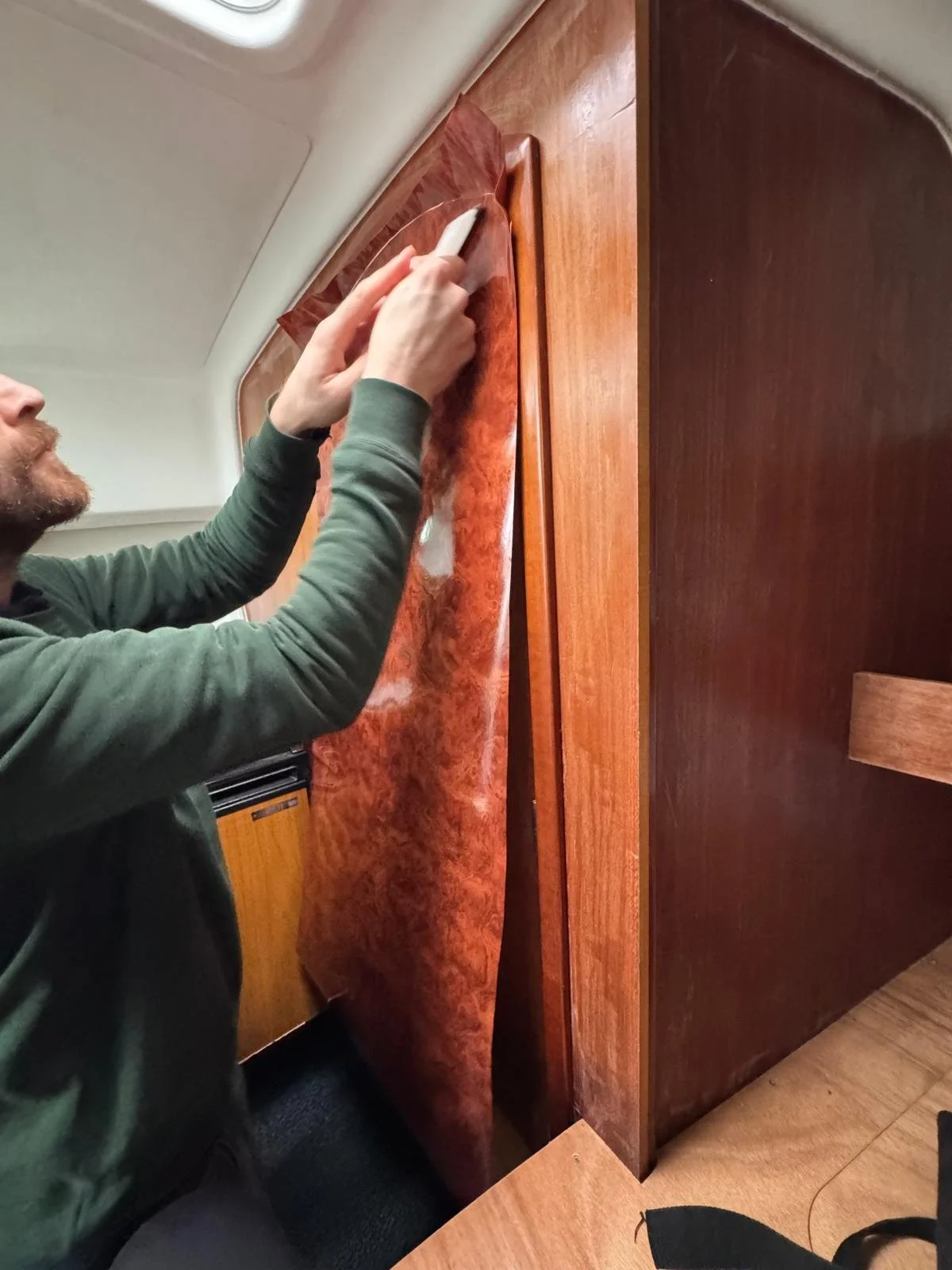
Vinyl wrapping can fit perfectly within an interior design project and by extending the life of a product, we can also make it a sustainable project, too.


-
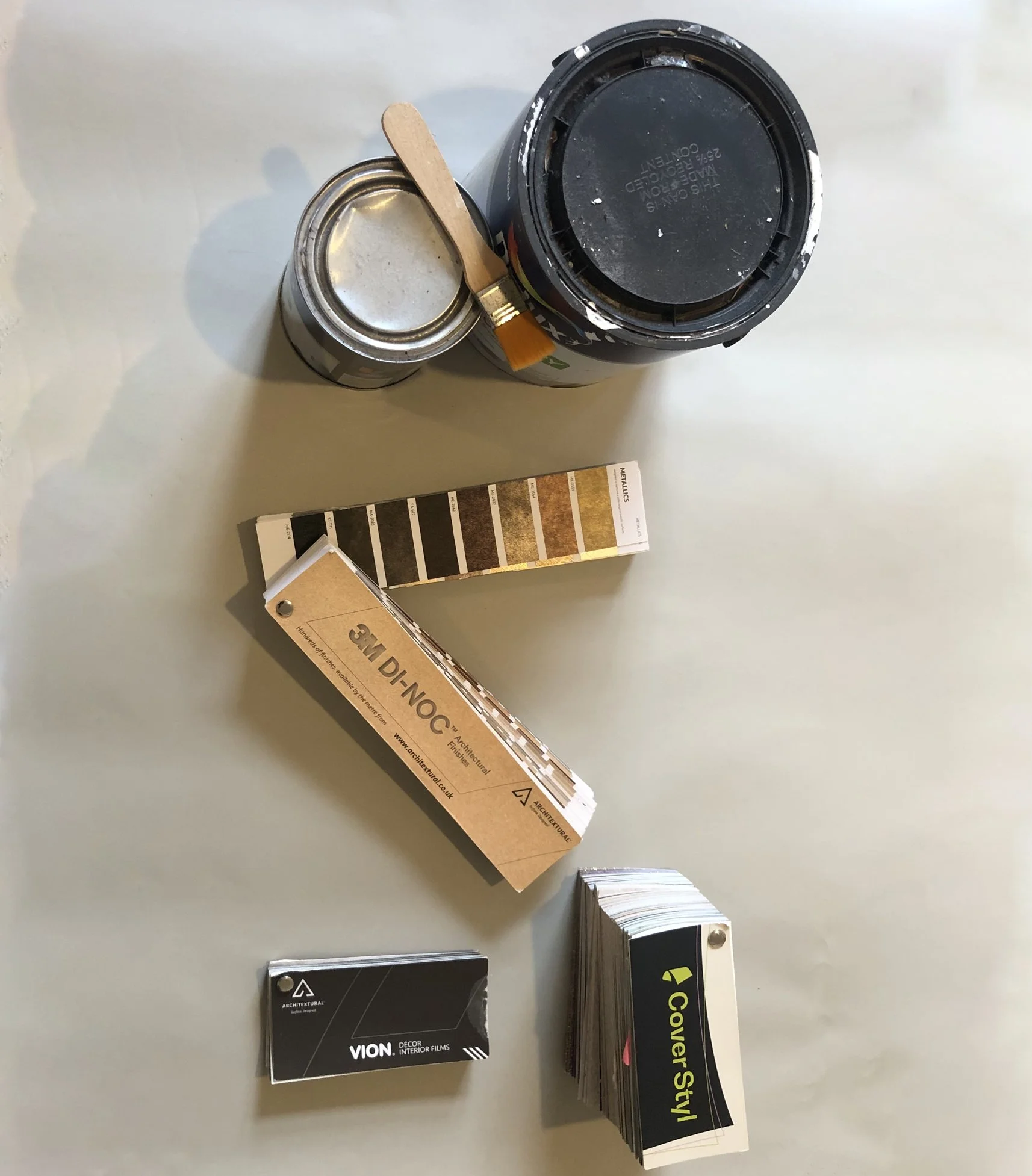
In an industry where deadlines are tight, materials need to perform flawlessly, and clients expect premium finishes every time, the suppliers we choose make all the difference. Over the years, one name has consistently stood out for reliability, product range, and installer support: William Smith.
They’re one of the UK’s longest established material suppliers, with decades of experience in signage, graphics, and architectural films. Their depth of knowledge shows in the way they curate their product range and support installers. For installers working on tight turnaround projects, that expertise is crucial.
One of the biggest advantages of working with William Smith is the breadth of their product stock. Being able to source everything from one place is invaluable and when you’re scheduling multiple installations per week, that reliability removes a huge amount of stress.
In a competitive industry, choosing the right supplier is one of the most important decisions a wrapping or graphics company can make and having this resource in your armoury, only breeds confidence within your team, which in turn projects out to your clients.
-
The Best LowDisruption Kitchen Makeover Option for London Homes
A Smarter Way to Refresh Your Kitchen Before Selling
If you’re preparing to put your London property on the market, you already know how important the kitchen is. It’s the room buyers focus on most and it can make or break the overall impression of your home. But the idea of a full renovation often feels overwhelming: weeks of mess, noise, and expense, all while you’re trying to plan your move.
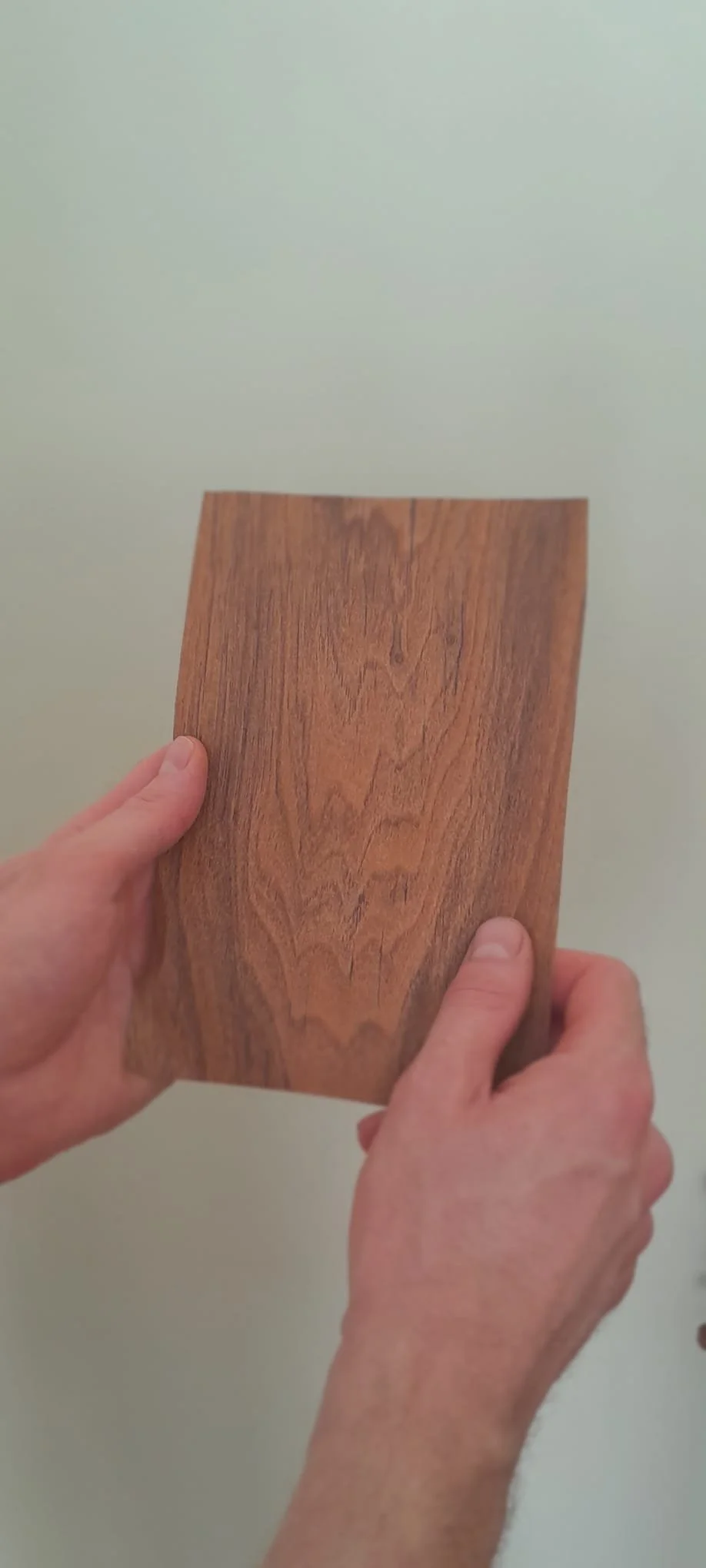
Buyers in London expect clean, modern kitchens, but that doesn’t mean you need to rip yours out. Wrapping transforms your existing cabinets, doors, and worktops using highquality architectural vinyl, giving the space a completely updated look.
You’ll benefit from:
A transformation in 1 – 3 days
No demolition, dust, or noise
A fraction of the cost of replacement
A finish that photographs beautifully for listings
A modern look that appeals to today’s buyers
It’s one of the quickest ways to elevate your home’s presentation before it hits the market.
Unlike traditional renovations, wrapping doesn’t involve builders, skip hire, or weeks of disruption. Your existing kitchen stays in place — we simply update the surfaces. It’s a smooth, predictable upgrade that fits around your moving plans.
A small investment can make a big difference in how quickly and how confidently your home sells. If you want your home to look its best without the stress, cost, or disruption of a renovation, kitchen wrapping is the ideal solution. It’s fast, clean, affordable, and perfectly suited to the pace of the London property market.
-
Vinyl Wrapping vs Painting: Which Is Better for Kitchens and Interiors in 2026?
When it comes to refreshing a kitchen, updating tired cabinetry, or modernising interior surfaces, two options usually come up: vinyl wrapping and painting. While both can transform a space, they deliver very different results in terms of durability, finish, cost, and long-term value.
In this guide, we break down the real differences between vinyl wrapping and painting, helping homeowners, landlords, and estate agents choose the best method for fast, affordable, high-impact transformations.
What Is Vinyl Wrapping?
Vinyl wrapping uses architectural-grade self-adhesive films designed specifically for kitchens, furniture, and interior surfaces. These films come in hundreds of finishes including woodgrain, matte, gloss, stone, concrete, metallics, and soft-touch textures.
Unlike paint, vinyl is pre-finished, meaning the colour and texture are manufactured to a flawless standard before installation.
What Is Painting?
Painting involves sanding, priming, and applying multiple coats of specialist furniture paint. While it can refresh a space, the finish depends heavily on the painter’s skill, the substrate condition, and the products used.
Vinyl Wrapping vs Painting: The Key Differences
1. Finish Quality
Vinyl Wrapping
Delivers a factory-smooth, uniform finish
No brush marks, roller texture, or patchiness
Realistic textures like wood, marble, and stone
Painting
Can show brush strokes, grain, or imperfections
Limited to flat colours
Requires perfect prep to avoid uneven results
Vinyl wrapping offers a premium, flawless finish that paint cannot replicate.
2. Durability & Longevity
Vinyl Wrapping
Designed for high-traffic kitchens and commercial use
Maintains colour and texture for years
Painting
Chips, scuffs, and stains easily
Can absorb oils and grease
Needs touch-ups or full repaints over time
Vinyl wrap lasts significantly longer than paint in busy kitchens.
3. Cost & Value
Vinyl Wrapping
More affordable than replacing
Often cheaper than a high-quality paint job
Adds value for landlords and sellers
Painting
Labour-intensive
Requires multiple coats and materials
Costs rise quickly for large kitchens
4. Speed & Disruption
Vinyl Wrapping
Most kitchens completed in 1–3 days
Minimal disruption for tenants or families
Painting
Requires sanding, priming, and multiple coats
Strong odours and long drying times
Can take several days to a week
Vinyl wrapping is the fastest, cleanest way to transform a kitchen.
5. Design Options
Vinyl Wrapping
Hundreds of colours and textures
Woodgrain, marble, concrete, metallic, matte, gloss
Realistic finishes that paint cannot achieve
Painting
Limited to flat colours
No texture or pattern options
Vinyl wrap offers far more design flexibility than paint.
6. Maintenance
Vinyl Wrapping
Wipes clean easily
Stain-resistant and non-porous
Ideal for rental properties and family homes
Painting
Can stain or wear through
Requires gentle cleaning
Touch-ups often needed
So, Is Vinyl Wrapping Better Than Painting?
For most kitchens and interior surfaces, yes. Vinyl wrapping delivers a stronger, cleaner, faster, and more durable finish than paint, with far more design options and significantly less disruption.
It’s the ideal choice for:
Homeowners wanting a modern kitchen without the cost of replacing
Landlords needing durable, low-maintenance finishes
Estate agents preparing properties for sale
Anyone wanting a premium look without the premium price
If you’re comparing vinyl wrapping vs painting, vinyl wrap consistently wins on durability, finish quality, cost, speed, and long-term value. It’s the most effective way to transform kitchens, wardrobes, and interior surfaces in 2026.
For homeowners, landlords, and estate agents looking for a fast, affordable, and high-impact upgrade, vinyl wrapping is the smarter choice.

-
Architectural Wrapping Textures: Transforming Surfaces with Realistic, High‑Performance Finishes
Architectural vinyl has evolved far beyond simple colour changes. Today’s films replicate real materials with incredible accuracy. From deep‑grained timber to brushed metals, soft-touch matts, stone, concrete, leather and even fabric.
Texture is what makes a wrapped surface feel authentic. It’s the difference between a flat printed pattern and a finish that genuinely mimics the depth, grain and tactile quality of real materials. Premium architectural films use multi‑layer construction to create:
3D embossing that follows the grain of wood or the pores of stone
Directional brushing for metals and stainless‑steel effects
Soft‑touch coatings for an ultra‑matt finish
High‑gloss lacquers that replicate polished surfaces
Tactile patterns like linen, leather, or woven textures
These details don’t just look premium — they feel premium.
Where Architectural Vinyl Textures Make the Biggest Impact
Architectural vinyl is transforming both residential and commercial spaces:
Kitchen makeovers: textured doors, stone‑effect worktops
Furniture upgrades: wardrobes, desks, tables, cabinets
Commercial interiors: reception desks, feature walls, counters
Hospitality: textured bars, leather‑effect panels, metallic accents
Retail: durable, tactile surfaces that withstand heavy use
Texture adds depth, realism and a premium feel that flat colours simply can’t match.
How to Choose the Right Architectural Vinyl Texture
Choosing the right architectural vinyl texture comes down to understanding how the space is used and the atmosphere you want to create. Start by looking at the lighting and the overall design style you wish to achieve — natural and artificial light can dramatically change how woodgrains, matts or stone textures appear. Consider the surface type, the tactile feel you wish to create and how much daily wear it receives; high‑traffic areas benefit from durable textures, while feature walls can handle more decorative finishes.
-
The Importance of Effective Project Management in the Print Industry
In today’s fast‑paced print and graphics sector, effective project management is no longer optional — it’s the backbone of consistent quality, on‑time delivery and client satisfaction. Whether producing large‑format graphics, architectural vinyl wraps, commercial signage or bespoke branding, the print industry relies on precision, coordination and technical accuracy at every stage. Businesses that invest in strong project management outperform competitors through smoother workflows, fewer errors and a more reliable client experience.
Why Project Management Matters in the Print Industry
The print industry is unique: every job is a custom job. No two projects are identical, and each requires careful planning, technical understanding and cross‑team communication. Effective project management ensures that every stage — from design and proofing to production, finishing and installation — runs seamlessly.
1. Consistency and Quality Control
Print production demands accuracy. Colour consistency, substrate suitability, lamination choices, finishing techniques and installation standards all rely on clear planning. Strong project management:
Reduces reprints and material waste
Ensures correct specifications from the start
Maintains brand consistency across multiple assets
Protects deadlines by preventing avoidable errors
For clients, this means predictable, professional results every time.
2. Faster Turnaround Times
Speed is a competitive advantage in the print world. With tight deadlines and last‑minute changes common, structured project management keeps workflows efficient:
Clear scheduling
Defined responsibilities
Streamlined approval processes
Coordinated production and installation windows
This allows print companies to deliver high‑quality work without compromising timelines.
3. Improved Communication and Collaboration
Print projects often involve multiple stakeholders — designers, production teams, installers, suppliers and clients. Without strong communication, details get lost and mistakes multiply. Effective project management creates:
Centralised communication
Clear briefs and expectations
Transparent progress tracking
Faster decision‑making
This reduces confusion and ensures everyone is aligned from start to finish.
4. Better Cost Control and Reduced Waste
Material waste, reprints and rushed jobs can quickly erode profit margins. Project management helps print businesses stay financially efficient by:
Accurately estimating time and materials
Preventing costly errors
Managing supplier lead times
Ensuring installations are prepared and scheduled correctly
For clients, this translates into competitive pricing and reliable budgeting.
5. Enhanced Client Experience
Clients expect clarity, professionalism and predictable outcomes. Effective project management delivers:
Clear timelines
Regular updates
Accurate proofs and samples
Smooth installations
Fewer surprises
This builds trust, encourages repeat business and strengthens long‑term relationships.
How Strong Project Management Elevates Architectural Wrapping & Large‑Format Print
In specialist areas like architectural vinyl wrapping, large‑format graphics and commercial branding, project management becomes even more critical. These projects often involve:
Complex surfaces
On‑site installations
Multiple materials
Strict deadlines
Health and safety considerations
Environmental factors (temperature, humidity, access)
A well‑managed project ensures installers arrive prepared, materials are correct, surfaces are ready and the final finish meets technical standards.
Final Thoughts
In an industry where precision, deadlines and client satisfaction define success, effective project management is one of the most valuable assets a print business can invest in. It reduces waste, improves quality, strengthens client relationships and ensures every project; from small decals to full architectural transformations is delivered flawlessly.
For print companies looking to stand out, effective project management isn’t just an internal process. It’s a competitive advantage.